Interesting Myth busted on Doctor Oz today
The old adage of Feed a cold and starve a fever
All myth
They stated in the study
That people who have fevers generally are not hungry
Ergo the starving
People with colds have a want for comfort food since they feel vile
What was recommended for both
Lots and lots of fluids
It will get rid of both cold and flu virus
A little quicker
That and allowing the body to heal through rest
Antioxidants
Michael Greger M.D. · Last Updated on November 2, 2016
On average, plant foods contain 64 times the antioxidant power of animal products. This may be why those eating a plant-based diet, even for a short amount of time, generally have higher antioxidant levels. The meat industry has considered adding plant foods to meat in order to boost antioxidant levels, though this may make processed meat more carcinogenic.
Antioxidant supplements do not appear to have the same benefits as whole foods, and may decrease lifespan.
Antioxidants help protect against free radicals and DNA damage, including countering possible DNA damage caused by high-intensity exercise or radiation exposure from air flights.
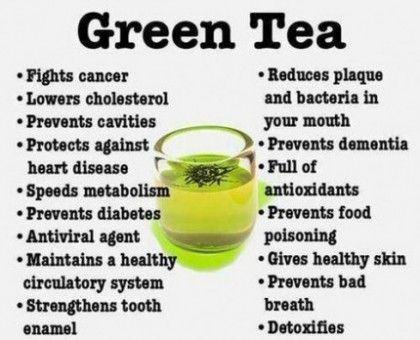
Antioxidants may enhance dental health, protect against skin aging, slow general aging, reduce Alzheimer’s risk, reduce inflammation, maintain male fertility and sexual function, prevent and treat chronic obstructive pulmonary disease (COPD), prevent and treat asthma, prevent the hardening of arteries, reduce risk for stroke, heart attack, heart disease, and cancer, lower cholesterol, block the formation of nitrites into carcinogens, and increase stool size, and lower the risk of asthma, depression, non-Hodgkin’s lymphoma, stomach cancer, and esophageal cancer.
A daily antioxidant goal in the U.S. for men is 11,000 units a day, while the daily goal for women is 8,000, with no apparent upper limit. To stay out of oxidative debt, one should try to eat antioxidant-rich plant foods at every meal, especially if we’re under stress, as antioxidant levels can plummet within two hours of a stressful event.
Organic produce appears to have more antioxidants than conventional. Hydroponic basil has higher antioxidant content than basil grown in soil. For vegetables, whether they’re cooked or raw can affect the antioxidant levels – boiling may best retain the antioxidant power of sweet potatoes, and boiled beans may have more antioxidants than sprouted. Cold-steeped tea may make more antioxidants available than hot tea.
Whole fruits, beans and other legumes, nuts, and vegetables are high in antioxidants. Ounce per ounce, herbs and spices such as cinnamon, cloves, lemon balm, marjoram, oregano, and peppermint are so rich in antioxidants, that just a small pinch can go a long way.
A general rule of thumb is to pick the deepest colored fruit or vegetable since many of the antioxidants are plant pigments. Specific foods that are high in antioxidants include acai berries, apples, Amla or Indian gooseberries, beets, berries, black beans, pinto beans, lentils, red kidney beans, Ceylon cinnamon, chai tea, chamomile tea, dandelion tea, lemongrass tea, rosehip tea, rooibos tea, cherries, cloves, cranberries and cranberry juice without added sugar, currants, dark chocolate, dates, date sugar, molasses, dragon’s blood, dried pomegranate seeds, dried Indian gooseberries, dried apples, dried cherries, goji berries, flaxseed, green tea, hibiscus tea, kale, lemon balm tea, most leafy greens, olives, mushrooms, pecans, walnuts, hazelnuts, pistachio nuts, plums, pecans, pears, pomegranates, artichokes, red rice, black rice, tomato juice, turmeric curcumin, coffee, and whole oats. Ranking widely available foods by number of antioxidants per dollar spent, red cabbage tops the list. Caloric restriction and exercise may also boost antioxidant needs.
How May Eating Plants Help Prevent Alzheimer’s Disease?
Written by: Michael Greger M.D. FACLM on October 27th, 2016
Intake of saturated fats and added sugars, two of the primary components of a modern Western diet, is linked with the development of Alzheimer’s disease. There has been a global shift in dietary composition, from traditional diets high in starches and fiber, to what has been termed the Western diet, high in fat and sugar, low in whole, plant foods. What’s so great about fruits and vegetables?
Plant-derived foods contain thousands of compounds with antioxidant properties, some of which can traverse the blood-brain barrier and may have neuroprotective effects by assisting with antioxidant defense. There’s this concept of “brain rust,” that neurodegenerative diseases arise from excess oxidative stress. But Nature has gifted humankind with a plethora of plants—fruits, vegetables, and nuts, and the diverse array of bioactive nutrients present in these natural products may play a pivotal role in prevention and one day, perhaps, even the cure of various neurodegenerative diseases, such as Alzheimer’s disease.
Accumulated evidence suggests that naturally occurring plant compounds may potentially hinder neurodegeneration, and even improve memory and cognitive function, as I’ve shared in my videos Preventing Alzheimer’s Disease with Plants and How to Slow Brain Aging By Two Years), as well as treat Alzheimer’s with spices such as saffron or turmeric (See Saffron for the Treatment of Alzheimer’s and Treating Alzheimer’s with Turmeric).
Vegetables may be particularly protective, in part because of certain compounds found in dark green leafy vegetables. These compounds concentrate in the brain, and their consumption is associated with lower rates of age-related cognitive decline.
Yet, when you look at systematic reviews on what we can do to prevent cognitive decline, you’ll see conclusions like this: “The current literature does not provide adequate evidence to make recommendations for interventions.” The same is said for Alzheimer’s, “Currently, insufficient evidence exists to draw firm conclusions on the association of any modifiable factors with risk of Alzheimer’s disease.” Doctors cite the lack of randomized controlled trials (RCTs) as the basis for their conclusions. RCTs are the gold standard used to test new medicines. This is where researchers randomize people into two groups, half get the drug and half don’t, to control for confounding factors. The highest level of evidence is necessary because drugs may kill a hundred thousand Americans every year – not medication errors or illicit drugs, just regular, FDA-approved prescription drugs, making medication alone the sixth leading cause of death in the United States. So, you better make absolutely sure the benefits of new drugs outweigh the often life-threatening risks.
But we’re talking about diet and exercise—the side effects are all good; so, we don’t need the same level of rigorous evidence to prescribe them.
A “modest proposal” was published recently in the Journal of Alzheimer’s Disease, an editorial calling for a longitudinal study of dementia prevention. They agreed that definitive evidence for the effectiveness of dementia prevention methods was lacking; so, we need large-scaled randomized trials. They suggested we start with 10,000 healthy volunteers in their 20’s and split them into five groups. There’s evidence, for example, that traumatic brain injury is a risk factor for Alzheimer’s, because people with head injuries appear more likely to get the disease, but it’s never been put to the test. So, they say, let’s take two thousand people and beat half of them in the head with baseball bats, and the other half we’ll use Styrofoam bats as a control. Afterall, until we have randomized controls, how can physicians recommend patients not get hit in the head? They go further saying we should probably chain a thousand people to a treadmill for 40 years, and a thousand people to a couch before recommending exercise. A thousand will be forced to do crossword puzzles; another thousand forced to watch Jerry Springer reruns, with lots of meat and dairy or not prescribed for another group for the next 40 years, and we can hook a thousand folks on four packs a day just to be sure.
We help our patients to quit smoking despite the fact that there’s not a single randomized controlled trial where they held people down and piped smoke into their lungs for a few decades. It is time to realize that the ultimate study in regard to lifestyle and cognitive health cannot be done. Yet, the absence of definitive evidence should not restrict physicians from making reasonable recommendations based on the evidence that is available.