Mut
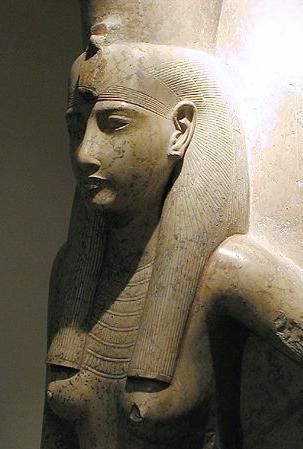
As the wife of Amon and mother of Khons, Mut was one of the chief Theban gods. Venerated as the great divine mother, Mut was usually depicted as a woman wearing a white and red crown but she was sometimes also portrayed with the head or body of a vulture and as a cow because in the later period, she merged with Hathor, another great divine mother who was usually depicted as a woman with cow horns and as a cow.
Bastet
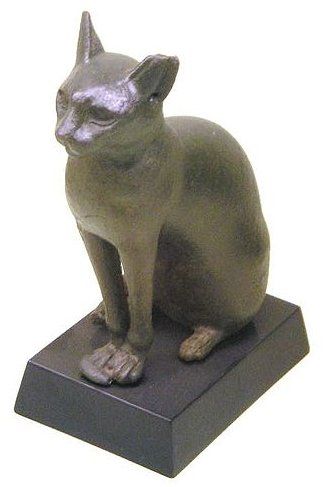
Bastet was a feline goddess who was depicted either as a cat or woman with the head of a cat. She was the daughter of the sun god Ra and was closely associated with domesticated cat. Bastet was worshiped for her maternal, protective nature and was often painted surrounded by kittens. But she was also believed to be ferocious when necessary for cats were able to kill snakes - one the most deadly creatures in ancient Egypt.
Amun
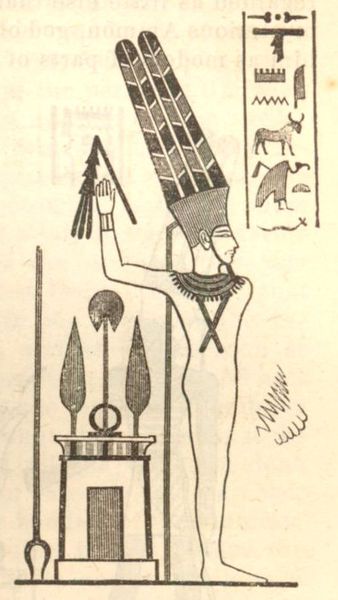
Amun or Amon which translates into “The Hidden One” was the head of the Theban pantheon of gods and goddesses. Worshiped as the king of gods (similarly as Zeus by ancient Greeks), Amun was usually painted in a human form but he was sometimes also portrayed with the ram’s head. Like many other ancient Egyptian gods and goddesses that were eventually assimilated with their local/regional versions, Amun was later merged with Ra into Amun-Ra which remained the chief god throughout the period of ancient Egypt.
Ptah
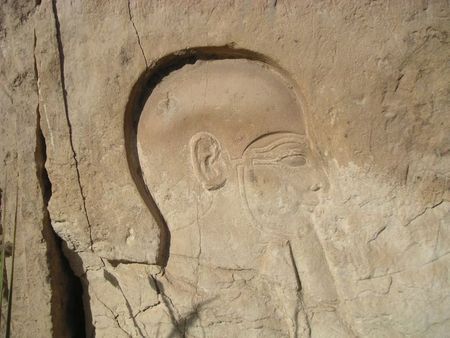
Ptah began as a local god in Memphis but as the influence of Memphis expanded over Egypt, he became popular elsewhere as well. He was the creator-god and the patron deity of crafts and craftsmanship. Ptah was usually depicted as a mummified figure with his hands protruding through the bandaging to hold a staff with the symbols of dominion and stability.
.jpg?width=1920&height=1080&fit=bounds[/IMG][/URL])
 Home
Home Search
 Calendar
 Arcade
 Advertise
 Login
Login Register
